ID Scan & Age Verification
ID check rates in digital logistics had sat around 36% for years. I led the design that took Stuart to over 90%, nearly three times the industry average.
Lead Product Designer, 2025

Summary
- Stuart had spent years treating low ID verification as a courier fraud problem. My work showed it was mostly a design problem.
- By early 2025 the verification rate was 36%, typical for digital logistics but far below physical retail. Enterprise client relationships were at risk.
- I led the design across Product, Engineering, Operations and Data Protection. We shipped in two phases: first fixing the existing flows, then introducing a privacy-first ID scan.
- Verification went from 36% to over 90%, nearly 3× the industry average, months ahead of target.
What I did
I was the design lead across the whole effort. The parts that made the difference:
- reframing the problem from courier fraud to the delivery experience couriers and customers actually have
- proposing a two-phase plan and getting alignment from risk, privacy, operations and engineering
- finding and proving out a privacy-safe, on-device approach to ID scanning that no one else had considered
- designing the flow end-to-end across app, operations and support
Context: stuck at 36% success rate with top enterprise clients escalating
Age-restricted deliveries (alcohol, knives) legally require ID checks. Digital logistics typically manages 30–40% verification rates. Stuart was at 36%.
This was causing problems:
- Enterprise grocery clients were escalating
- A significant percentage of revenue was at risk
- Couriers were frustrated by awkward customer interactions
A cross-team working group was put together to fix it. I joined as the design lead.
How I found a key, unexpected insight by doing deliveries on the ground and thoroughly reading through audit notes
Internally, people assumed couriers were committing fraud. I wasn’t sure about that.
On a trip to the London office, I went out and did deliveries with age-restricted items.
The moments where couriers need to ask for ID are difficult. Customers can be confused, irritated, or angry. Couriers had very little support to handle that well.
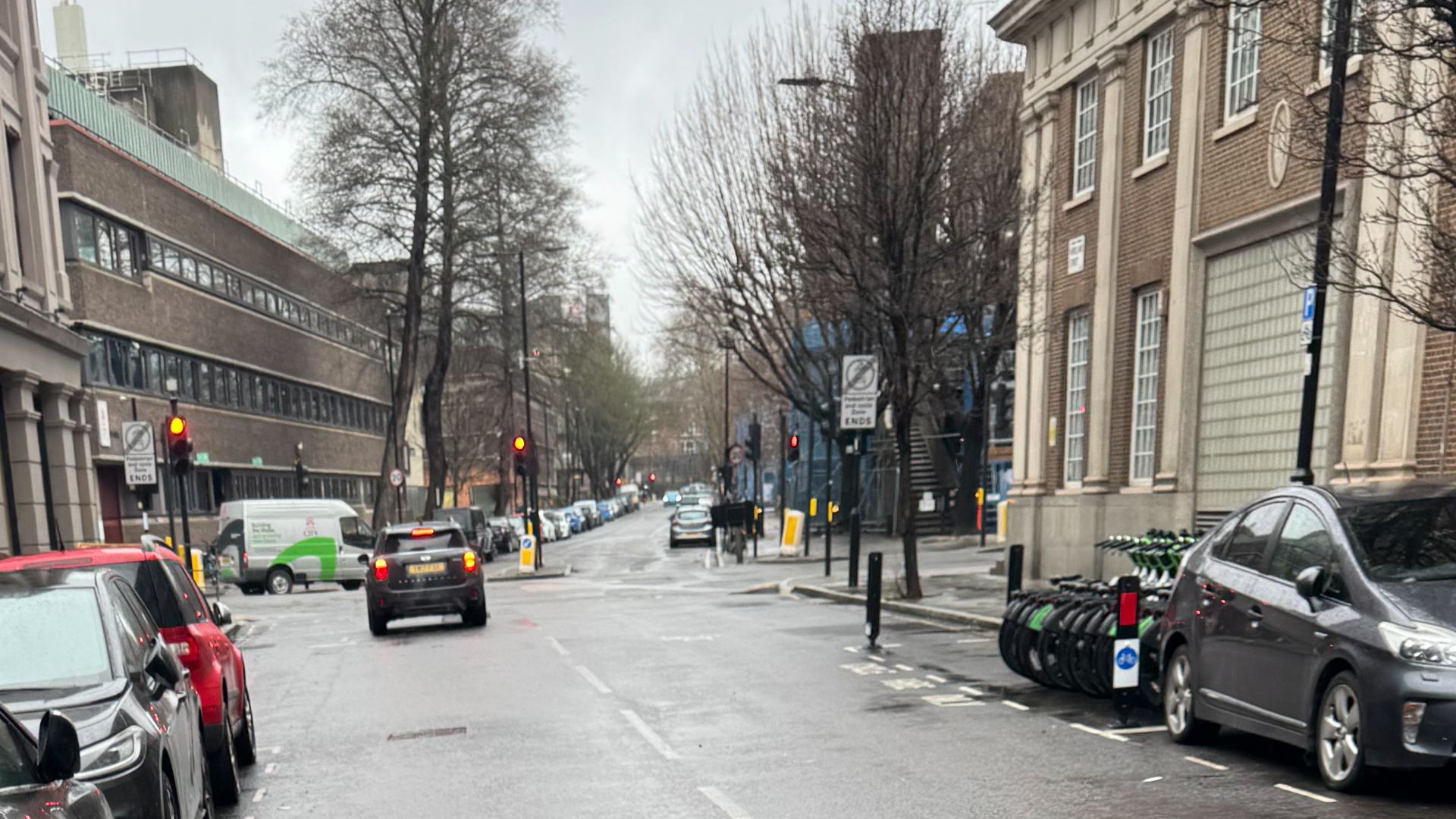
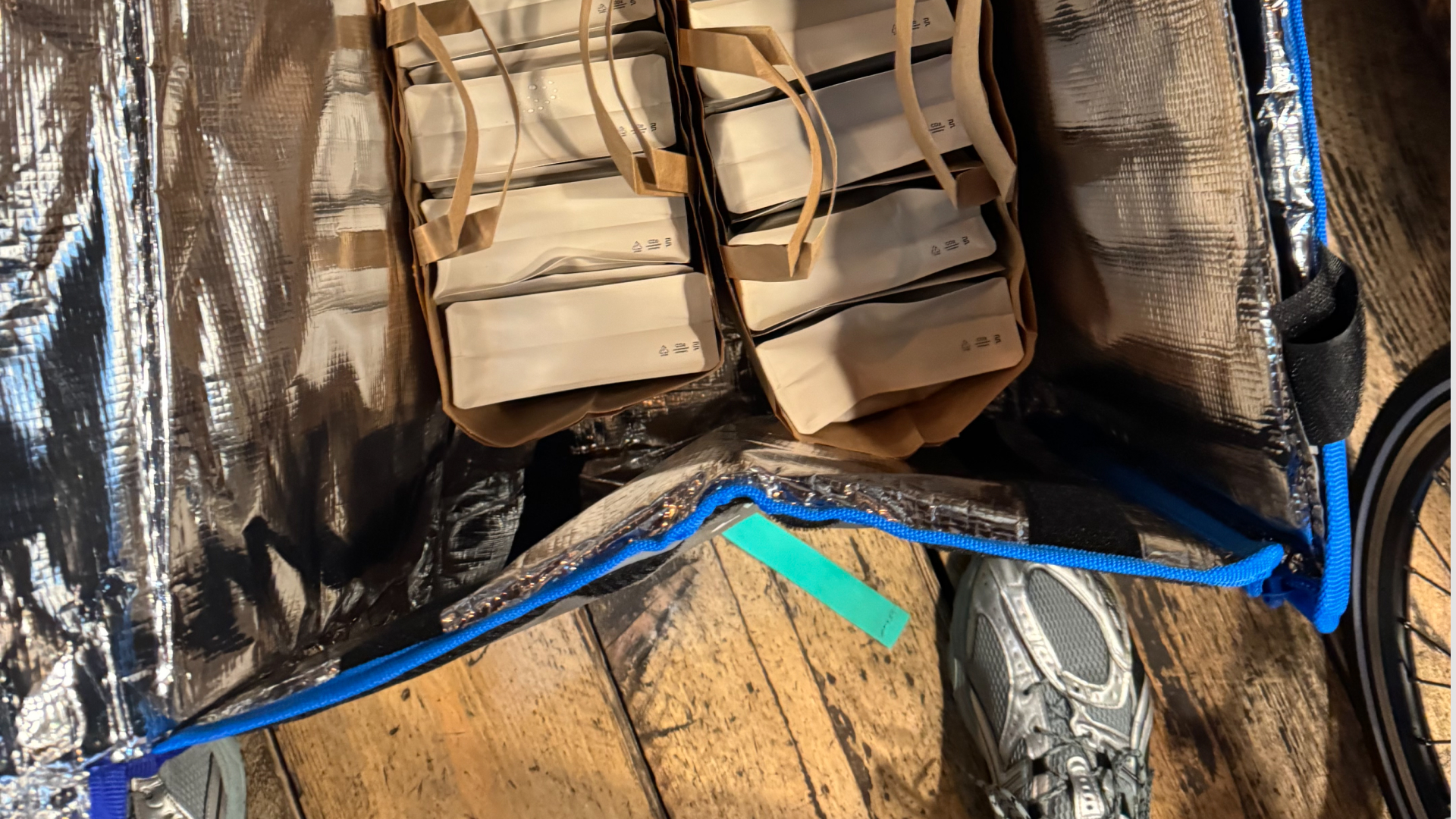
One customer became angry when I followed the product’s instructions. The rules weren’t working in practice.
Couriers needed better support, not more suspicion. The goal was to make the right thing easier to do. That was a big shift internally, and became the central idea I focused on.
I also reviewed past audit comments in detail. Couriers were often doing everything right (being polite, asking questions) except checking the physical ID:
He then asked for my date of birth, put it into his phone, and said have a nice day.
He said hello and asked my DOB. He then put it into his phone and gave me the parcel after taking a photo. He then left thanking me.
The intent was there. But the flow just didn’t support the final step.
Figuring out what to do under pressure: a two-phase strategy
There was a lot of urgency and people were jumping to solutions before we had shared understanding of the constraints: fraud risk, privacy, technical feasibility, operational impact.
I mapped out the possible directions as a comparable set of options, scored against impact, effort and privacy risk, and ran a session on what to do now versus later. That gave us a way to talk about trade-offs.
Based on the research and constraints, I proposed a two-phase strategy:
- Improve the existing flow for couriers across the app, operations and support, so asking for ID felt like a normal part of the delivery rather than an accusation.
- Explore whether privacy-safe ID scanning was actually viable, technically and from a data-protection standpoint.
I got alignment on this and we moved into execution.
Phase 1: from 36% to 60%+
I redesigned the flows around a simple principle used in UK physical retail: if someone looks under 25, check their ID.
The main changes:
- Dedicated, clear ID-check screens
- Couriers had to actively confirm whether they checked ID
- Consistent visual and written guidance
- Alignment across Ops and Support so messages weren’t contradictory
- Removing the requirement for ID checks in obviously unnecessary cases
This made asking for ID less awkward and easier to explain, so couriers did it more often.
Fraud and risk teams expected the opposite. Their view was that without pressure, couriers would keep skipping the check. I thought they were skipping it because the flow made it awkward, not because they wanted to. I pushed to ship and measure. Compliance jumped to 60%+ within weeks.
Phase 2: ID scanning to 90%+
As Phase 1 data came in, I looked at ID scanning again.
Most of the team was uncomfortable with it. Scanning IDs felt invasive, and the assumption was that customers wouldn’t trust it.
The concerns were all about what got captured, stored, and sent, so the question worth answering was whether there was a version where none of that happened. I worked through the options, using an LLM as a sounding board, and landed on on-device OCR that reads only the date of birth. No image captured, nothing stored, nothing sent.
A mobile engineer confirmed it was feasible. I proposed a two-day spike and we had a rough demo by the end of it. Not reliable yet, but enough to prove we could build a privacy-safe scan at much lower cost than people had assumed.
Quick conversations with customers showed they were far more willing to present ID once they knew nothing was being captured or sent.
I got alignment behind building a first version and we soon had something ready to test.
How I iterated the product based on courier feedback
I partnered with Research on a diary study to capture what was working and what wasn’t in real deliveries. That led to:
- A flashlight toggle for low-light conditions
- Manual confirmation when the algorithm flagged someone as under 18
- Blocking screenshots and screen recording at system level
- Watermarking to protect customer data in edge cases
- A manual fallback for customers who refused scanning
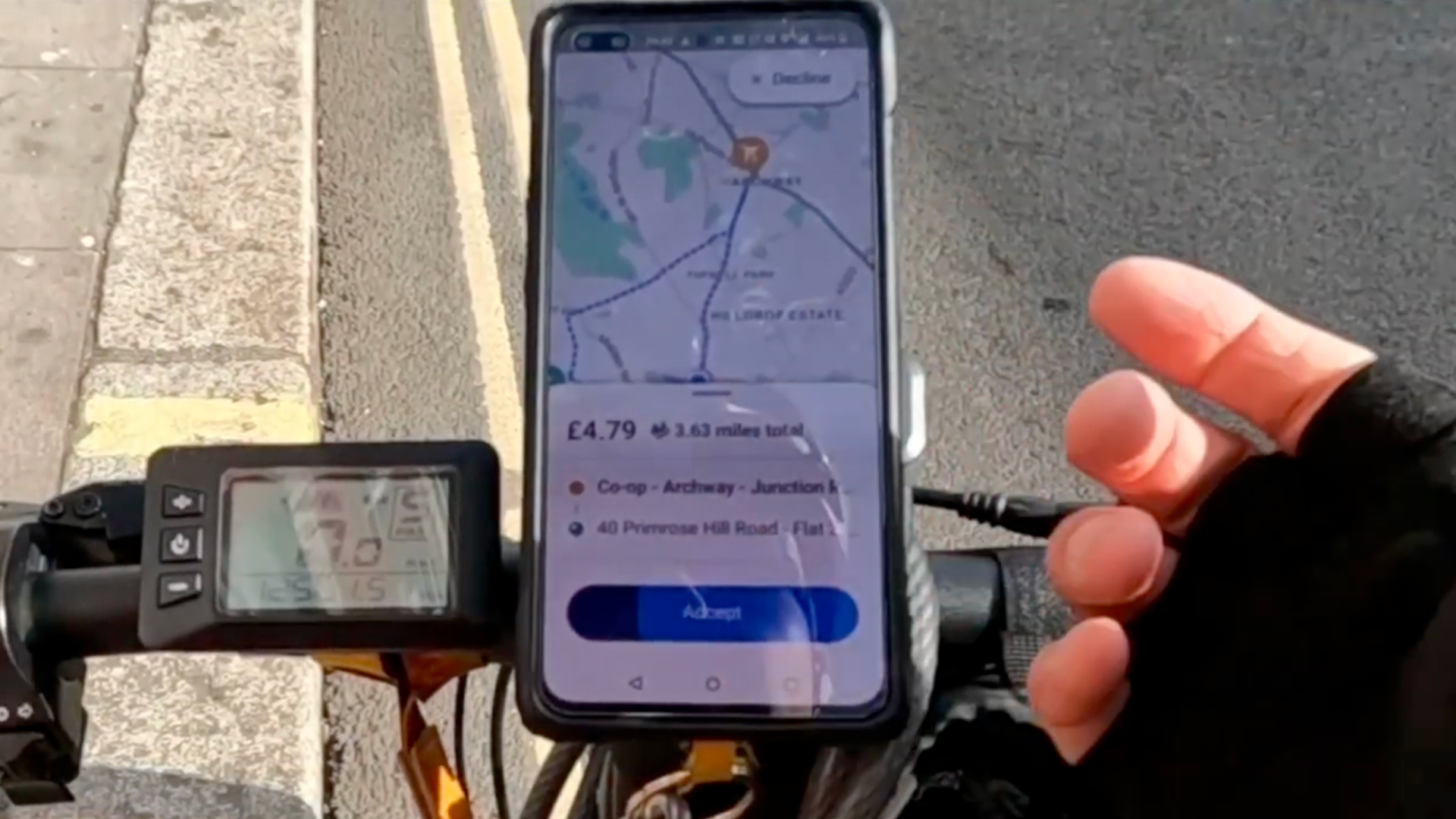

85% of couriers were satisfied with the new experience.
It makes it easier to convince the customers to present their ID when needed.
If I scan, I’m covered, it protects me.
It was really quick. I just pointed the camera at the ID and it was done. No issues, scanning completed.
Many said it reduced guesswork and made awkward moments easier. A few were concerned about very privacy-conscious customers, which I addressed through the manual fallback.
Results
The results were well beyond the stretch target:
- 90%+ ID verification rate
- ~3× the digital industry average
- Months ahead of schedule
- Delivery times unaffected
This also caused a shift internally. Teams stopped starting from a position of blame and focused more on what couriers and customers actually do. That framing influenced several initiatives across Stuart.